Catholic Pilgrimage PH | What Are Relics and Why Venerate Relics? | We don’t want to require up tons of some time, but allow us to explain about the relic thing. Why do Catholics keep saint’s bones, hair, clothes or maybe their blood in gold shiny boxes? Didn’t God condemn idolatry? While many (both Protestants and Catholics alike) are often confused by the practice of venerating relics, the tradition has deep biblical roots.
What are relics?
Relics are material items that are connected to a saint and are sorted into three “classes.” A first-class relic is all or a part of the physical remains of a saint. this might be a bit of bone, a vial of blood, a lock of hair, or maybe a skull or incorrupt body.
A second-class relic is any item that the saint frequently used (clothing, for example). A third-class relic is any item that touches a primary or second-class relic.
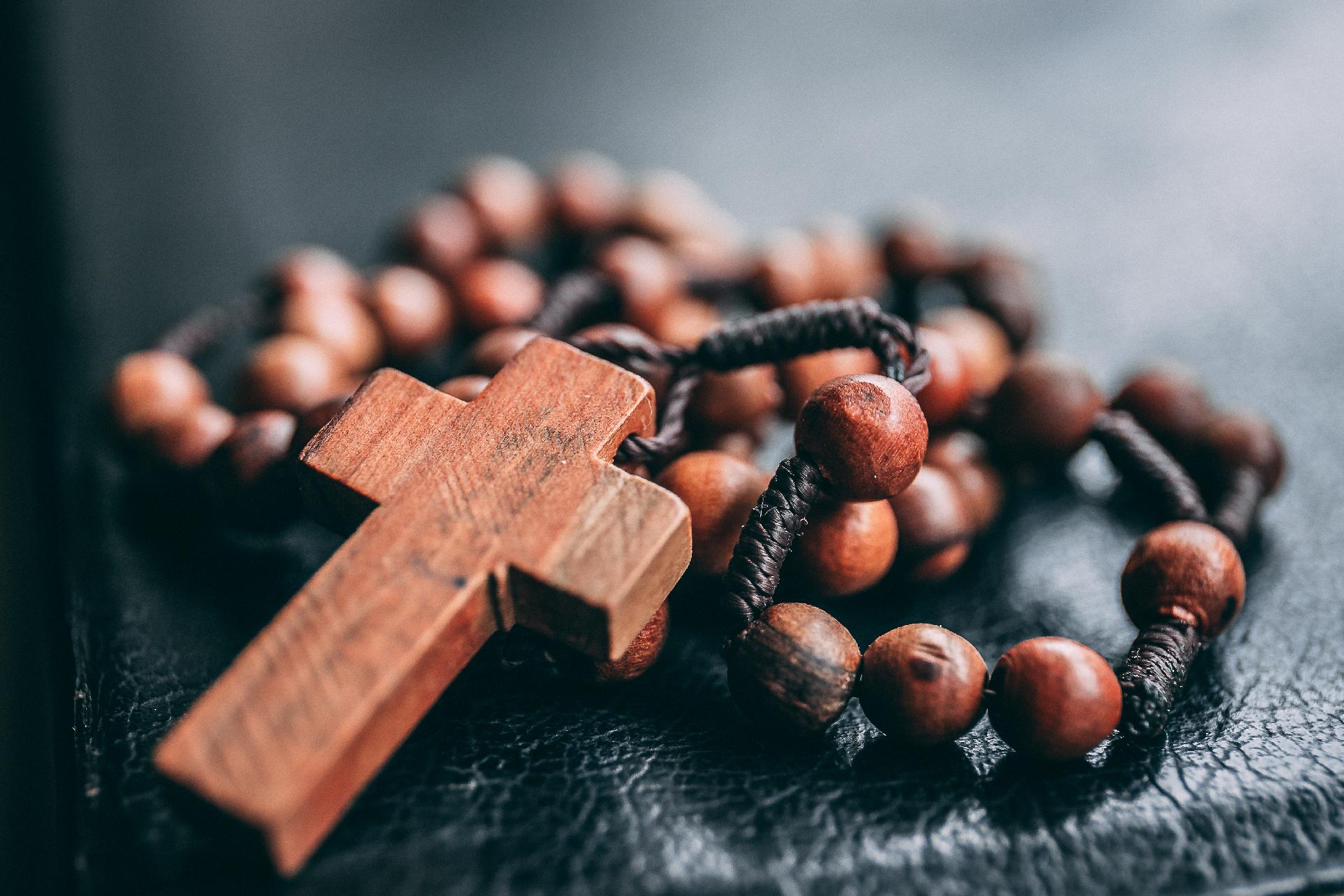
Catholics are known to preserve relics of saints and it’s believed that graces from God flow through these objects to devout souls who venerate them.
Where within the bible are relics?
The use of physical objects associated with a saint goes back as far because the Old Testament. In it we see an episode from the Second Book of Kings that features the utilization of relics.
“And so Elisha died and was buried. At that point of year, bands of Moabites wont to raid the land. Once some people were burying a person , when suddenly they saw such a raiding band. in order that they cast the person into the grave of Elisha, and everybody went off. But when the person came in touch with the bones of Elisha, he came back to life and need to his feet.” (2 Kings 13:20-21)
Even within the New Testament we see how God uses material objects to cause healings. within the Gospel of Mark we see how a lady is healed because she touched Jesus’ cloak.
“She had heard about Jesus and came up behind him within the crowd and touched his cloak. She said, ‘If I but touch his clothes, I shall be cured.’ Immediately her flow of blood dried up. She felt in her body that she was healed of her affliction.” (Mark 5.27-29)
There are other examples within the lives of the apostles that clearly show how God works miracles through items connected to a saint.
Do relics have power?
While the Church encourages the practice of venerating relics, it’s important to recollect that it’s not the particular object that imparts healing. a bit of bone can’t heal someone from terminal cancer. However, God can use a relic of a saint to heal, a bit like he used his cloak to heal the lady with the hemorrhage. The relic is an instrument for God’s miraculous power.
The recognition of the source of power prevents someone from worshiping the thing and lifts his/her soul to God.
Has the Church supported this practice throughout the ages?
The Church has defended the veneration of relics since the very beginning. A letter written after the martyrdom of Saint Polycarp in 156 AD explains how the faithful venerated his bones and took special care of them.
“We took up the bones, which are more valuable than precious stones and finer than refined gold, and laid them during a suitable place, where the Lord will permit us to collect ourselves together as we are able, in gladness and joy, and celebrate the birthday of his martyrdom.”
In his Letter to Riparius, St. Jerome (d. 420 AD) wrote in defense of relics, saying, “We don’t worship, we don’t adore, for fear that we should always bow right down to the creature instead of to the Creator, but we venerate the relics of the martyrs so as the higher to adore Him whose martyrs they’re .”
The Church continues to reaffirm this worthy practice within the most up-to-date Directory on Popular Piety.
“The Second Vatican Council recalls that ‘the Saints are traditionally honored within the Church, and their authentic relics and pictures held in veneration’…The various sorts of popular veneration of the relics of the Saints, like kissing, decorations with lights and flowers, bearing them in processions, in no way exclude the likelihood of taking the relics of the Saints to the sick and dying, to comfort them or use the intercession of the Saint to invite healing. Such should be conducted with great dignity and be motivated by faith.”
In the end, relics of saints allow us to cuddle to those holy men and ladies of the past and God uses these material objects to impart special graces to faithful souls. they’re never to be worshiped and are meant to steer us to the last word worship of the one God.
Source: Aleteia.org