Photo credit: George Buid
Beyond Pilgrimage: Discovering the Surprising Side of Jerusalem | Jerusalem is a famous city. It serves as a district and a municipality. Millions of pilgrims visit the area every year. Christians and Muslims view the city as a holy destination. Yet, the region offers much more. Visitors can find things they never expected to see there.
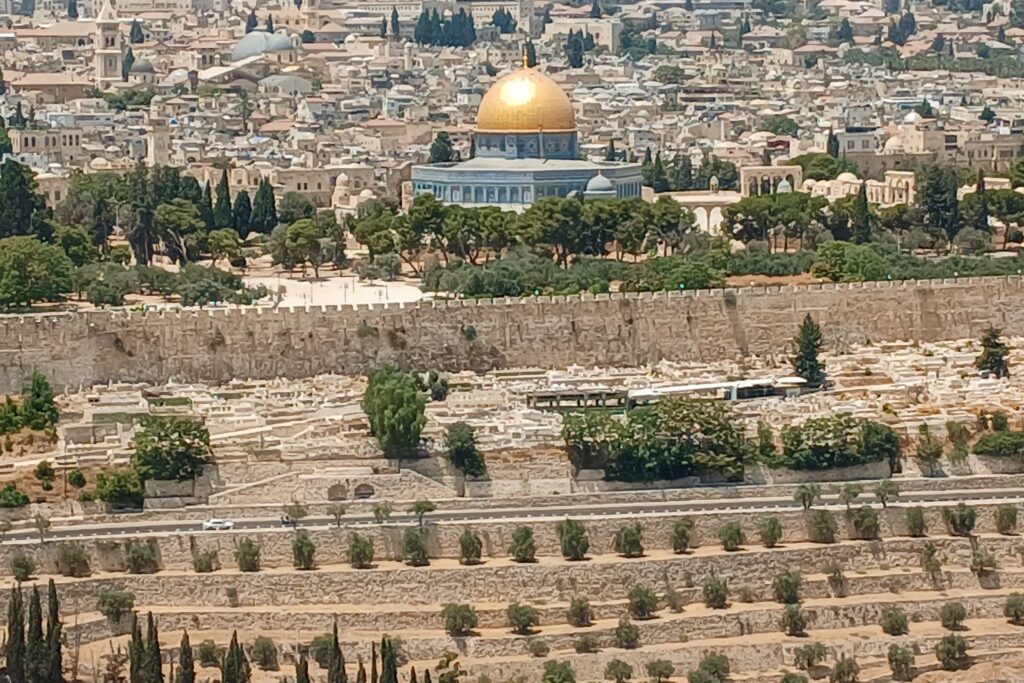
Travelers often arrive during the summer months. Surprisingly, the city maintains a chill atmosphere. The desert place enjoys a generally peaceful and cooler temperature. This pleasant climate likely stems from the presence of many trees.
The Keren Kayemeth LeIsrael-Jewish National Fund runs a major greening initiative. The group plants trees all over Israel. Each planted tree commemorates a national martyr. Because of this practice, deep respect is evident everywhere.
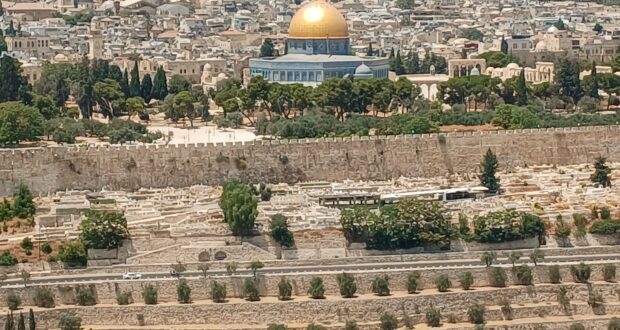
Jerusalem is a place for solemn commemoration. At the same time, it is a hub of rich history. The Old City sits near the Temple Mount. It reveals centuries of modern human history. Conquest and religion have shaped this human society. Knowing this history helps outsiders understand Israeli culture.
Deep Into the Old City
The destination is synonymous with the Holy Land. Therefore, Jerusalem is no stranger to pilgrims. Still, standard tourism often falls short here. Real tourism extends far beyond the Western Wall.
The Temple Mount holds profound religious importance. Jews, Christians, and Muslims share this reverence. Visitors grasp this significance when they delve into the Western Wall.
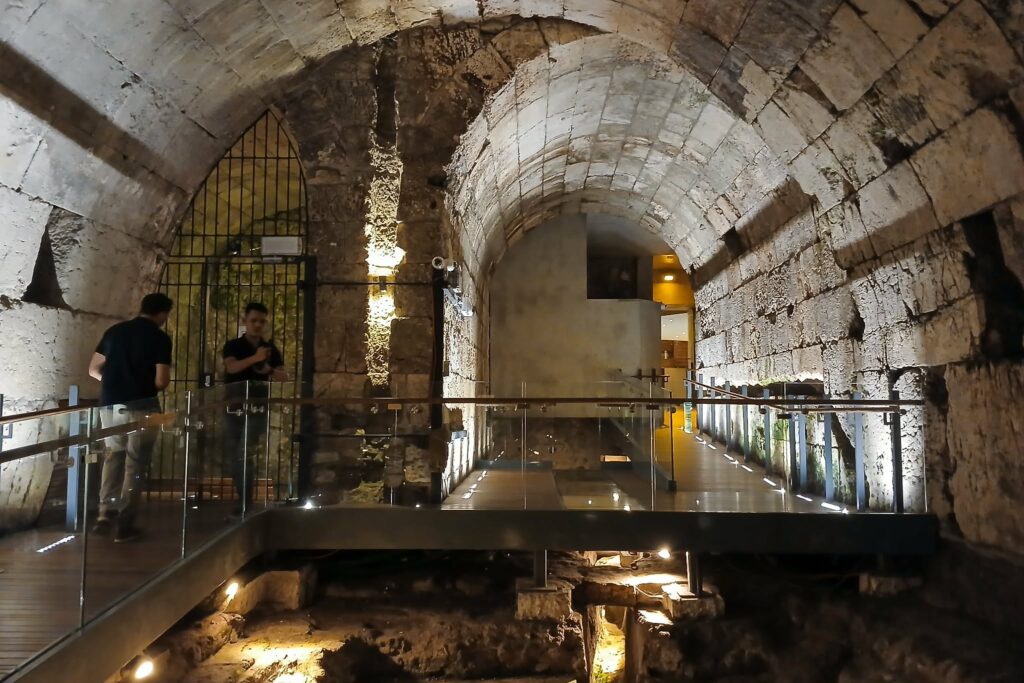
Underneath the Western Wall lie several layers of history. The story begins long after the Tabernacle stood on permanent ground. It starts with the grand vision of King Herod. Yes, that same King that Christians despised cared for the Temple. Below the Temple walls rest the heavy scars of history.
A complex network of tunnels sits beneath the Western Wall. These underground passages tell a compelling story. They span eras from the Romans up to the Ottoman Empire. Observers can clearly see ancient rebuilding and renovation work. Few realize these tunnels double as a water irrigation system for the surrounding village.
Get Into The Shuk
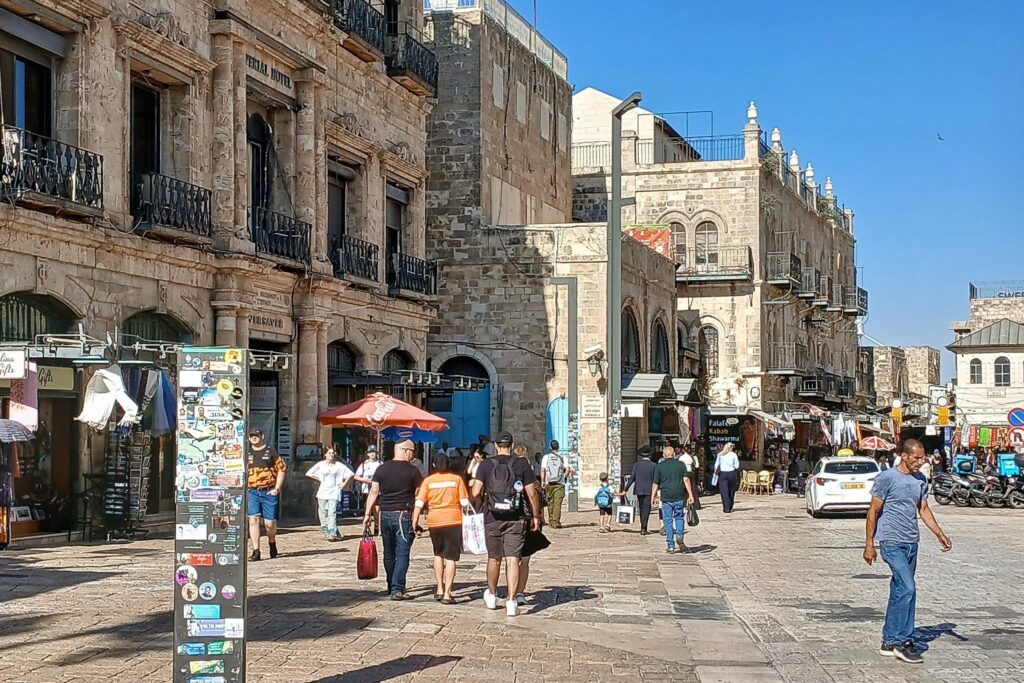
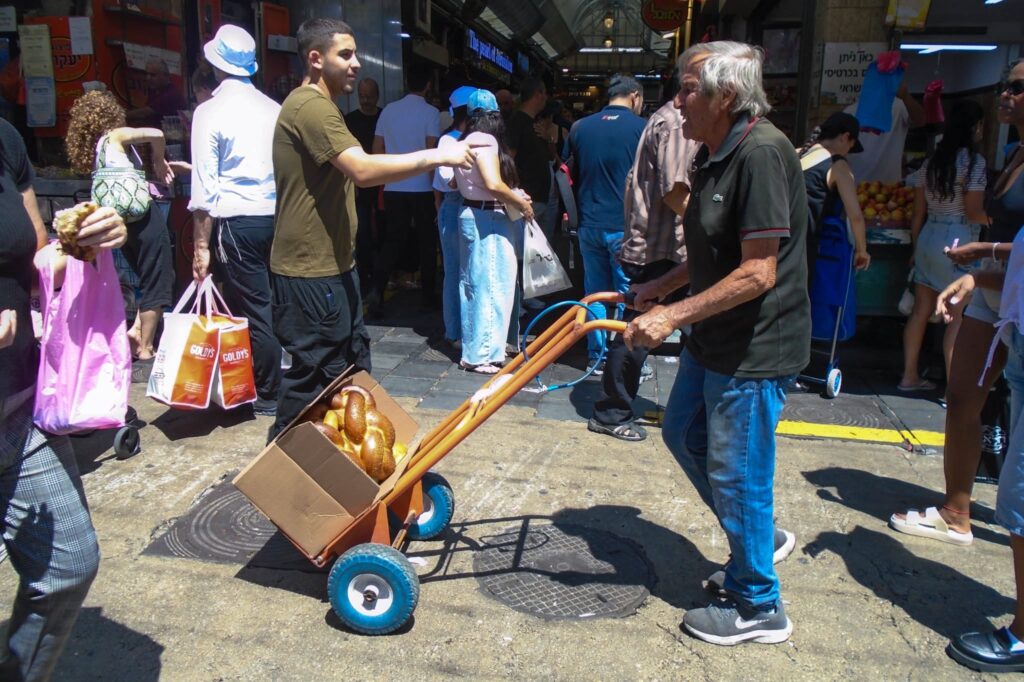
Ancient life defines the Old City. However, modern culture thrives outside the Western Walls. The best place to witness this blend of cultures is The Shuk. Locals use this nickname for the popular Mahane Yehuda Market in modern Jerusalem.
This marketplace serves as the vibrant heart of Jerusalem. Different cultures mix together naturally in the crowded aisles. A local Yemenite guide named Adi Sharabi led the way through the busy paths. Visitors navigate past Palestinians selling goods from food stores and afternoon bars. Tourists feel the daily grind, the desert heat, and the chattering noises of a proper market.
This setting provides a raw experience of Jerusalem. The Mahane Yehuda welcomes everyone, including curious tourists. Visitors often want to get lost in the market. The local people are genuinely happy to see outsiders. They even volunteer to take pictures for travelers. Residents will chat and offer free bites of their food. Some even ask tourists to celebrate with them.
The market bursts with color due to its diverse cultures. Incredible murals and artwork cover the walls throughout the area. Beggars also do not shy away from view. Frankly, the market beggars are more presentable than the ones in Manila.
Crawling Through the Night Streets
The market reveals local life. Still, the evening streets of Jerusalem tell the whole story. A night walk through the city proves how safe it is after dark.
Unlike the dictatorship that ruled the Philippines, the streets of Jerusalem are safe for the public. Strict national protocols exist due to the ongoing conflict. However, these security measures are hardly noticeable.
Travelers can confidently get lost in the side streets. They can always return to the hotel as long as the phone GPS functions. One traveler admits to being naive and a risk-taker just for the spirit of exploration.
That sense of adventure briefly turned boring. First, the Sabbath arrived, and the streets became quiet and empty. Second, the traveler carried a borrowed smartphone without an eSIM. Without an eSIM, the GPS proved useless. The details for that mishap remain a story for another day.
Growing up in an era without smartphones helped. The traveler eventually found the way back. Valuable lessons emerged from that unexpected two-to-four-kilometer walk.
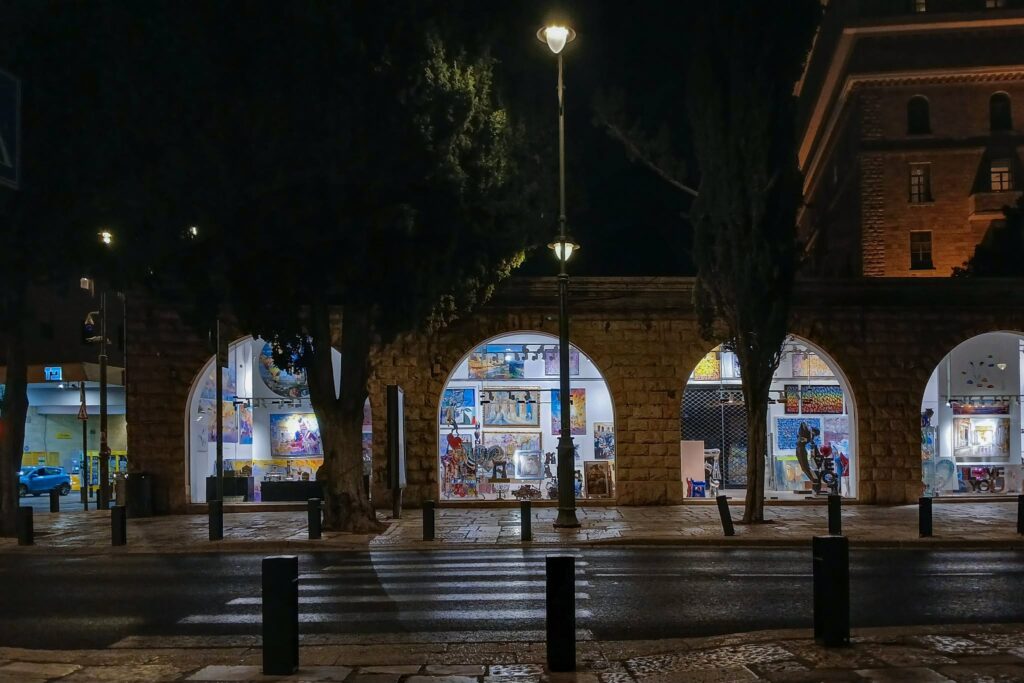
Shops appeared half-lit or partially closed. Standing near the edge of the sidewalk caused cars to stop instantly at pedestrian lanes. Despite the Sabbath, not everyone practiced it strictly. People wandered the streets at their own leisure.
Big, distracting electronic ads were absent from the streets. No homeless people or wandering dogs appeared, though stray cats moved freely. No 7-Eleven stores existed in Jerusalem. After turning a few corners, the traveler finally found a local convenience store. That search ended at a speakeasy bar for a couple of drinks.
Three days is simply not enough time to discover everything Jerusalem has to offer. For a Filipino visitor, the summer weather feels just right. If another chance arises, the traveler hopes to know Jerusalem much better.